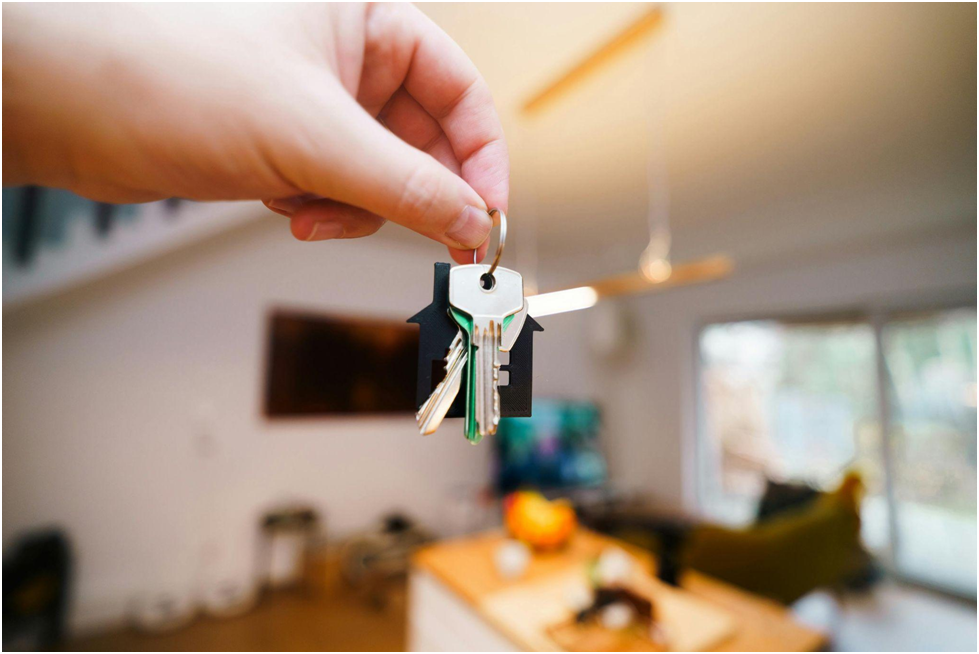
Buying your first home feels exciting and overwhelming at the same time. One moment you are holding the keys, and the next you are wondering what you should do first. Many new homeowners feel pressure to do everything right away, but that is not realistic. The good news is that you do not need to figure it all out on day one. Taking clear and simple steps early can help you feel settled, safe, and in control.
This checklist walks you through what to do after you get the keys so you can enjoy your new home without unnecessary stress. If you’re also considering expanding your investments, exploring available land for sale in Texas can be a smart step for future property opportunities
Take Care of the Most Important Paperwork First
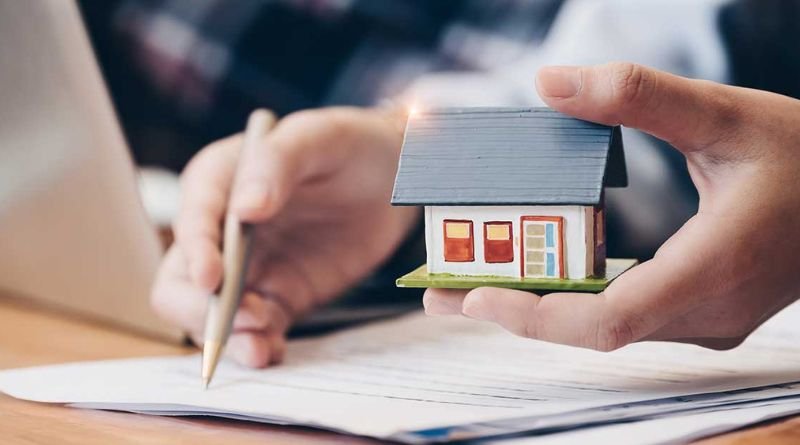
Once you move in, paperwork should be one of your top priorities. Start by gathering all documents related to your home purchase. This includes your closing papers, mortgage details, and warranty information for appliances or systems. Keep both paper and digital copies so you can access them easily when needed.
This is also a good time to review your home insurance policy. Make sure the coverage details match your home and your needs. Check that personal belongings, liability, and structural coverage are accurate. If you notice anything unclear, contact your provider sooner rather than later. Having this in place helps protect your investment and gives peace of mind from the start.
Change the Locks and Secure Entry Points
Even if the previous owner seemed trustworthy, you never know who still has copies of the keys. Changing the locks should happen as soon as possible. Replace locks on all exterior doors and reset any smart locks or garage codes.
Check windows, sliding doors, and side entrances too. Make sure they close properly and lock securely. If your home has an alarm system, reset it and update access codes. These small steps help you feel safe and confident in your space right away.
Set Up Utilities and Essential Services
Some utilities may already be active, but you should confirm everything. Call or log in to service providers to ensure electricity, water, gas, and trash services are set up under your name. Check internet and cable providers as well, especially if you work from home.
Take note of billing cycles and payment methods. Setting up automatic payments can help you avoid late fees. Having all services organized early prevents disruptions and makes daily life smoother.
Inspect the Home Room by Room
Even if your home passed inspection before closing, it helps to do your own walkthrough. Take your time and inspect each room carefully. Look for small issues like loose outlets, dripping faucets, or cracked tiles.
Open and close windows, test light switches, and run appliances. Take photos of anything that needs attention. This helps you prioritize repairs and track changes over time. Learning the condition of your home helps you feel more prepared and aware.
Locate and Test Safety Features
Safety features protect both your home and the people inside it. Start by locating smoke detectors and carbon monoxide alarms. Test them and replace batteries if needed. Make sure there is at least one fire extinguisher on each level of the home.
Take time to identify where the electrical panel is and note which switches control each area of the home. Find the main water shut-off and make sure you understand how to turn it off. Being familiar with these essentials can help you stay calm and respond faster if an issue comes up.
Clean Before Fully Settling In
Cleaning feels easier before furniture and boxes fill the rooms. Even if the home looks clean, doing a deep clean gives you a fresh start. Focus on kitchens, bathrooms, floors, and closets.
Wipe down cabinets, clean inside appliances, and vacuum vents if possible. You do not need perfection. The goal is to make the space feel comfortable and ready for your things. A clean home helps you relax and enjoy the move-in process more.
Update Your Address and Important Accounts
Changing your address is easy to forget, but it matters. Start with the postal service so your mail forwards correctly. Update your address with banks, credit cards, insurance providers, and subscription services.
Do not forget your employer, doctor, and any delivery apps you use often. Making a short checklist can help you track updates. Taking care of this early avoids missed bills or lost mail.
Create a Basic Home Maintenance Plan
Owning a home means taking care of it over time. You do not need an advanced plan, just simple habits. Start by setting reminders to change air filters every few months. Check smoke alarm batteries twice a year.
Look around your home each season and note changes. Watch for leaks, cracks, or unusual sounds. Handling small issues early often prevents bigger repairs later. A little attention goes a long way.
Get to Know the Neighborhood
Your home is part of a larger community. Take time to learn how things work around you. Find out trash pickup days, parking rules, and local guidelines.
Introduce yourself to neighbors when it feels natural. Learn where the closest grocery store, pharmacy, and emergency services are located. Feeling familiar with your surroundings helps your new place feel like home faster.
Start a Realistic Home Budget
Your expenses may change now that you own a home. Beyond the mortgage, there are utilities, maintenance, and unexpected repairs. Take time to review your monthly budget and adjust where needed.
Set aside a small fund for home-related costs if possible. Even small amounts add up over time. Avoid putting pressure on yourself to have everything perfect. Flexibility helps you stay balanced as a new homeowner.
Buying your first home marks a big milestone. It is normal to feel unsure at times, but you do not need to do everything at once. Focus on progress, not perfection. Each step you take builds confidence and comfort. Over time, your house will feel less like a project and more like a place where life happens. Give yourself time to adjust, learn, and enjoy the experience of truly making the space your own.