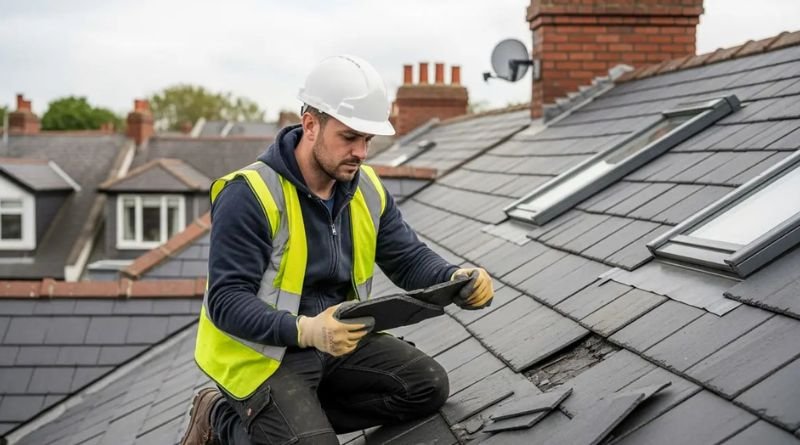
Your roof keeps water out, helps regulate temperature, and protects everything underneath it. But when something goes wrong, you have to answer a big question: do you fix the problem or replace the whole roof?
The reality is that the answer is not always obvious. Some issues look small but hide bigger damage, while others seem serious but are easy to fix. Knowing the difference can save you money and prevent long-term problems.
Start With the Basics: What Are You Seeing?
Before making any decisions, take a step back and look for common warning signs. You don’t need to climb up; just check from the ground and inside your home.
Inside your home:
- Water stains on ceilings or walls
- Damp attic insulation
- Light coming through roof boards
Outside your home:
- Missing, cracked, or curling shingles
- Sagging areas
- Granules (sand-like debris) in gutters
These signs don’t automatically mean replacement; they just tell you your roof needs attention.
When a Roof Repair Makes Sense
In many cases, a repair is all you need. This is usually the more affordable option and can extend your roof’s life if handled early. Repairs are typically enough when:
- Damage is limited: A few missing shingles or a small leak in one area can often be fixed without major work.
- Your roof is still relatively new: Most asphalt roofs last around 20–30 years. If yours is well within that range, repairs are usually the smarter move.
- The issue is isolated: Problems like damaged flashing around vents or chimneys can be repaired without affecting the rest of the roof.
Think of it this way: if the rest of your roof is in good shape, there’s no need to replace everything for one small problem.
When Replacement is the Better Choice
Sometimes, repairs just delay the inevitable. If the roof is failing in multiple areas, a full replacement is often more cost-effective over time. Here are the main signs:
- Your roof is wearing out: If it’s 20 years old or more, ongoing repairs may not be worth it.
- Damage is widespread: If large sections have missing or deteriorating shingles, patching won’t hold for long.
- You’re dealing with multiple leaks: Water entering in different spots usually points to deeper issues.
- There’s sagging or structural damage: This is a serious red flag and often requires full replacement.
- Granule loss is heavy: When shingles lose their protective coating, they become vulnerable to sun and moisture damage.
At this point, repairs can start to add up quickly. Replacing the roof may cost more upfront but can save money in the long run.
Other Factors That Affect Your Decision
It’s not just about visible damage. A few other things should guide your choice:
- Rising energy bills: Poor roof performance can affect insulation and airflow.
- Frequent repairs: If you’re calling for fixes every year, it may be time to stop patching.
- Plans to sell your home: A newer roof can improve value and make your home more appealing to buyers.
- Weather exposure: Storms, heat, and wind all speed up roof wear, especially in certain regions.
When to Call a Professional
Even if you spot the signs, a professional inspection is still important. Roofing experts can check areas you can’t see and give a clear recommendation based on the roof’s condition. If you’re unsure where to start, getting help from a local specialist in roof repair Lexington KY can give you a better idea of what your roof actually needs.
Endnote
Deciding between repair and replacement comes down to three things: age, extent of damage, and how often problems show up. Small, isolated issues usually mean repair. Widespread damage or an aging roof often points to replacement.
The key is not to wait. What starts as a minor issue can turn into structural damage if ignored. Take action early, get a professional opinion, and make a decision that protects your home for the long run.